Turn Incomplete Product Feeds into High-Precision Search Metadata
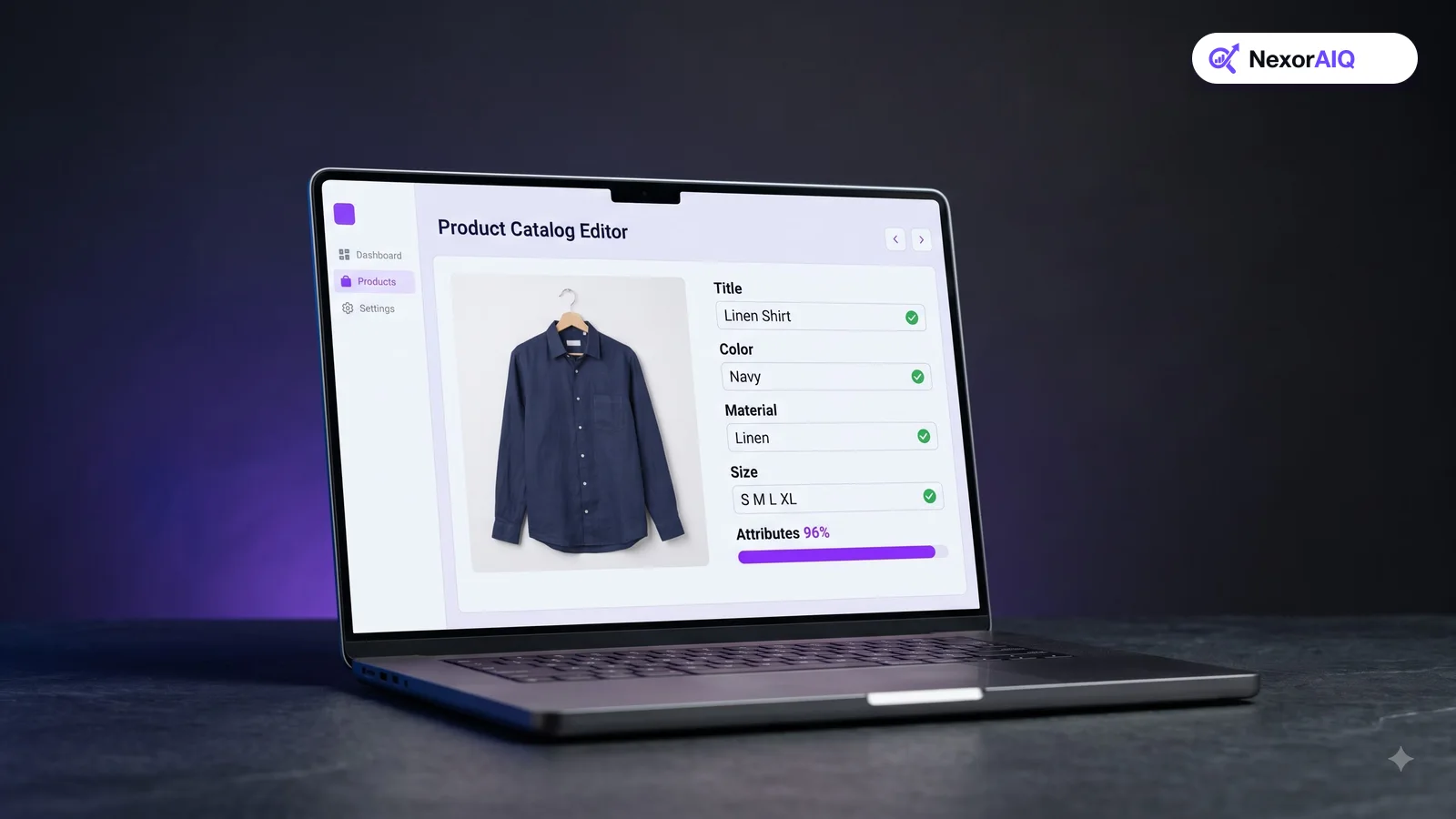
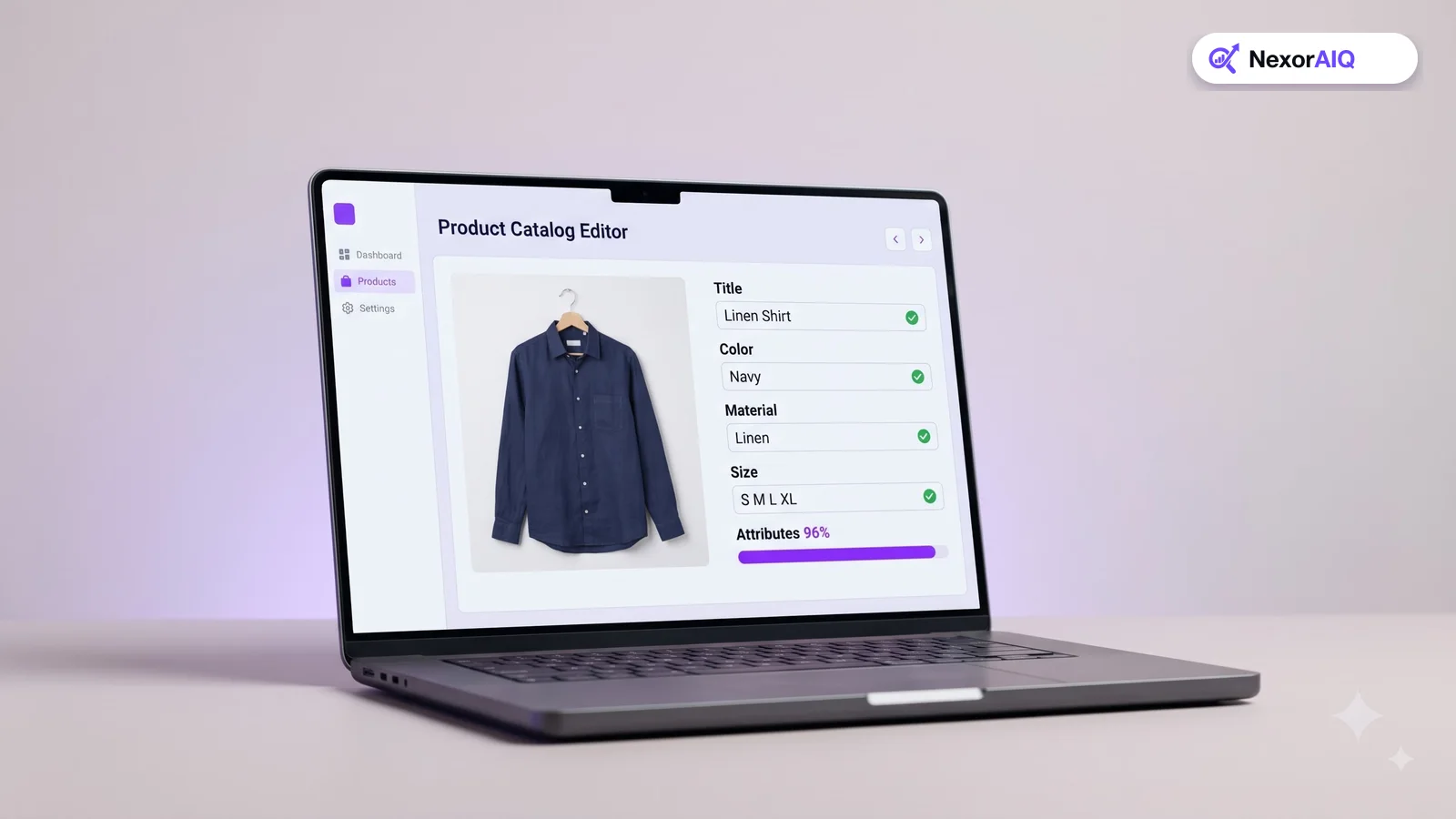
Missing colors, unlabeled materials, and inconsistent titles hurt search conversion. NexorAIQ AI Catalog Enrichment analyzes titles, descriptions, and images to automatically generate structured attributes and facets.
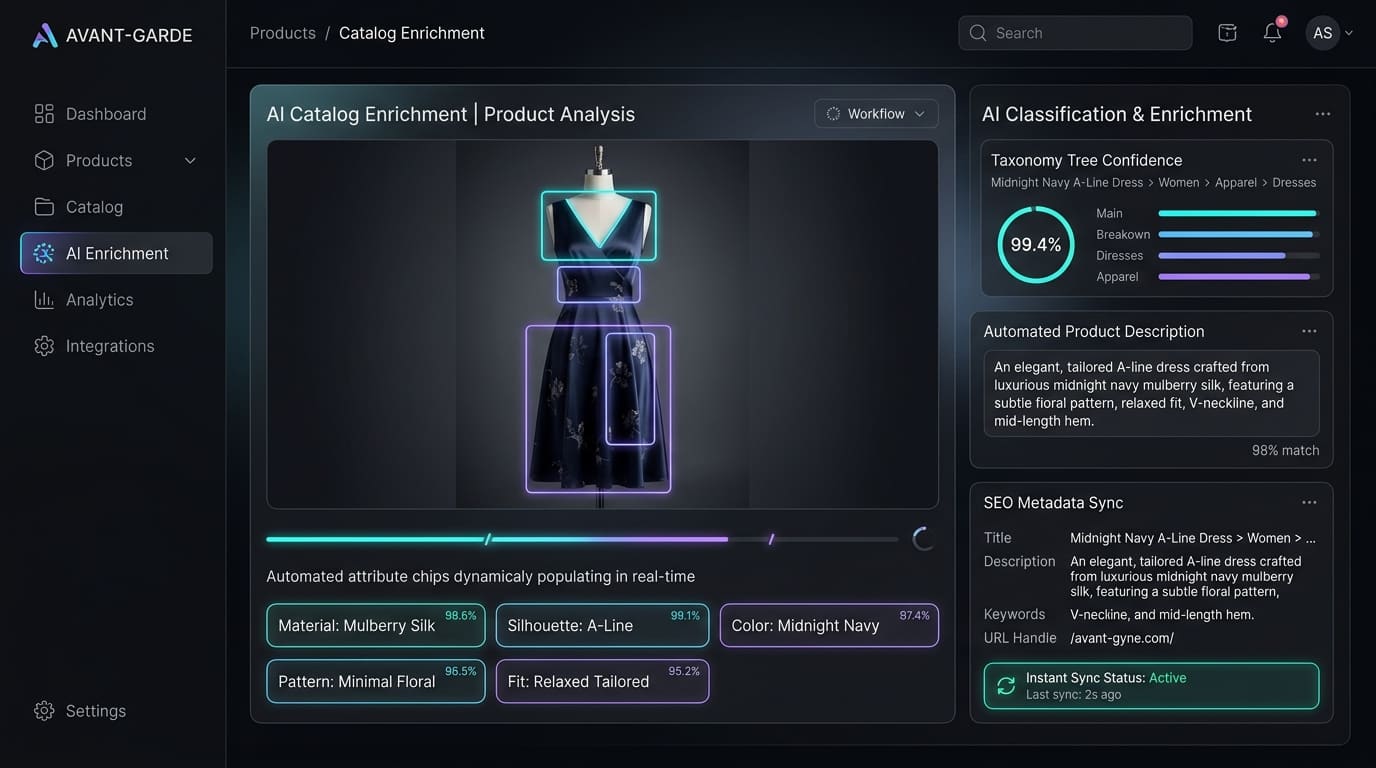
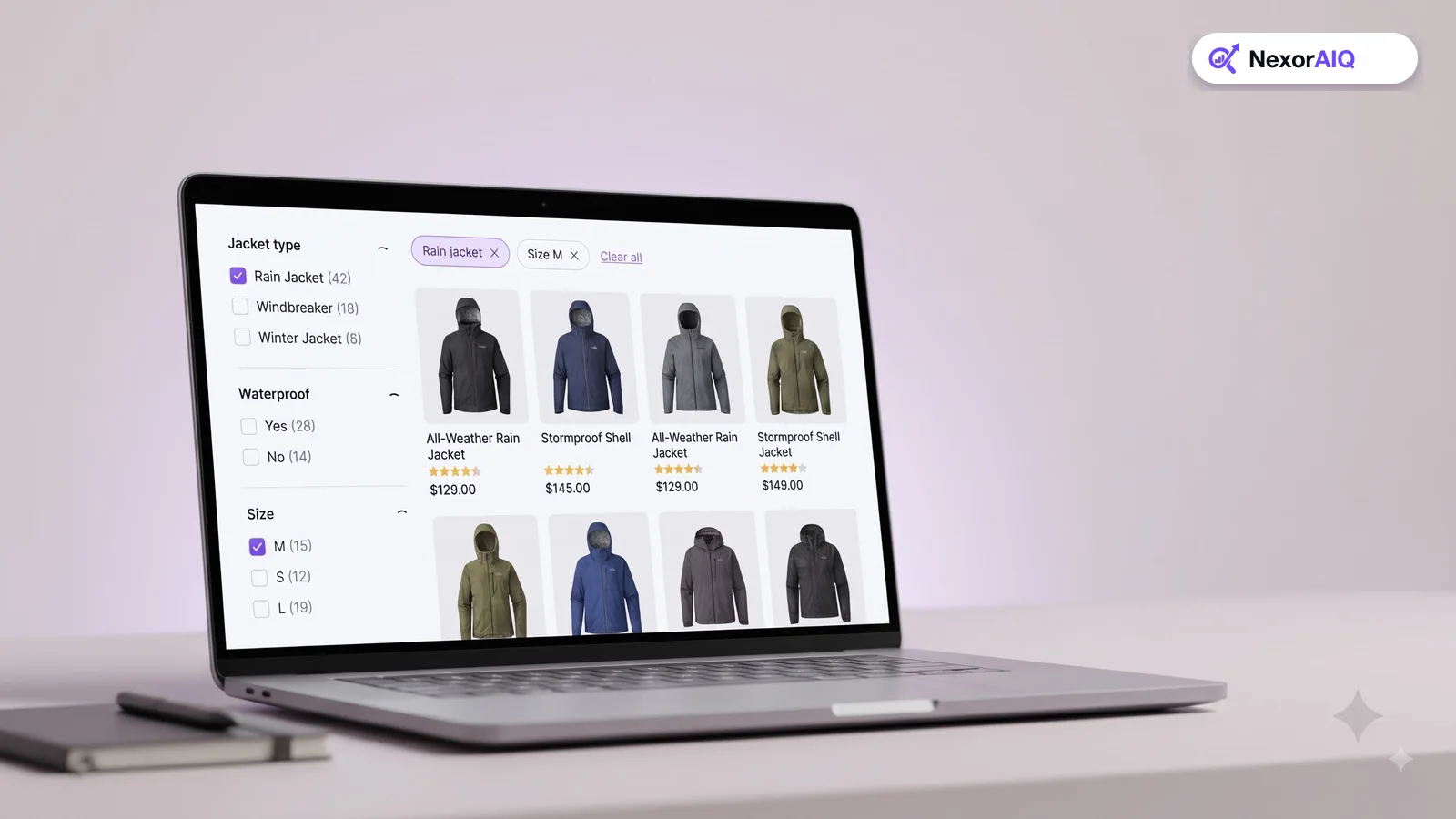
From Unstructured Raw Feeds to Rich Faceted Metadata
How multimodal models extract attributes, normalize units, and enrich catalogs without manual data entry.
Feed Ingestion
NexorAIQ ingests your existing catalog via Magento 2, Adobe Commerce or CSV (more connectors coming soon) without requiring complex schema changes.
Multimodal Intelligence
Our commerce models analyze product descriptions, specifications, and photography to identify missing merchant attributes.
Standardized Taxonomies
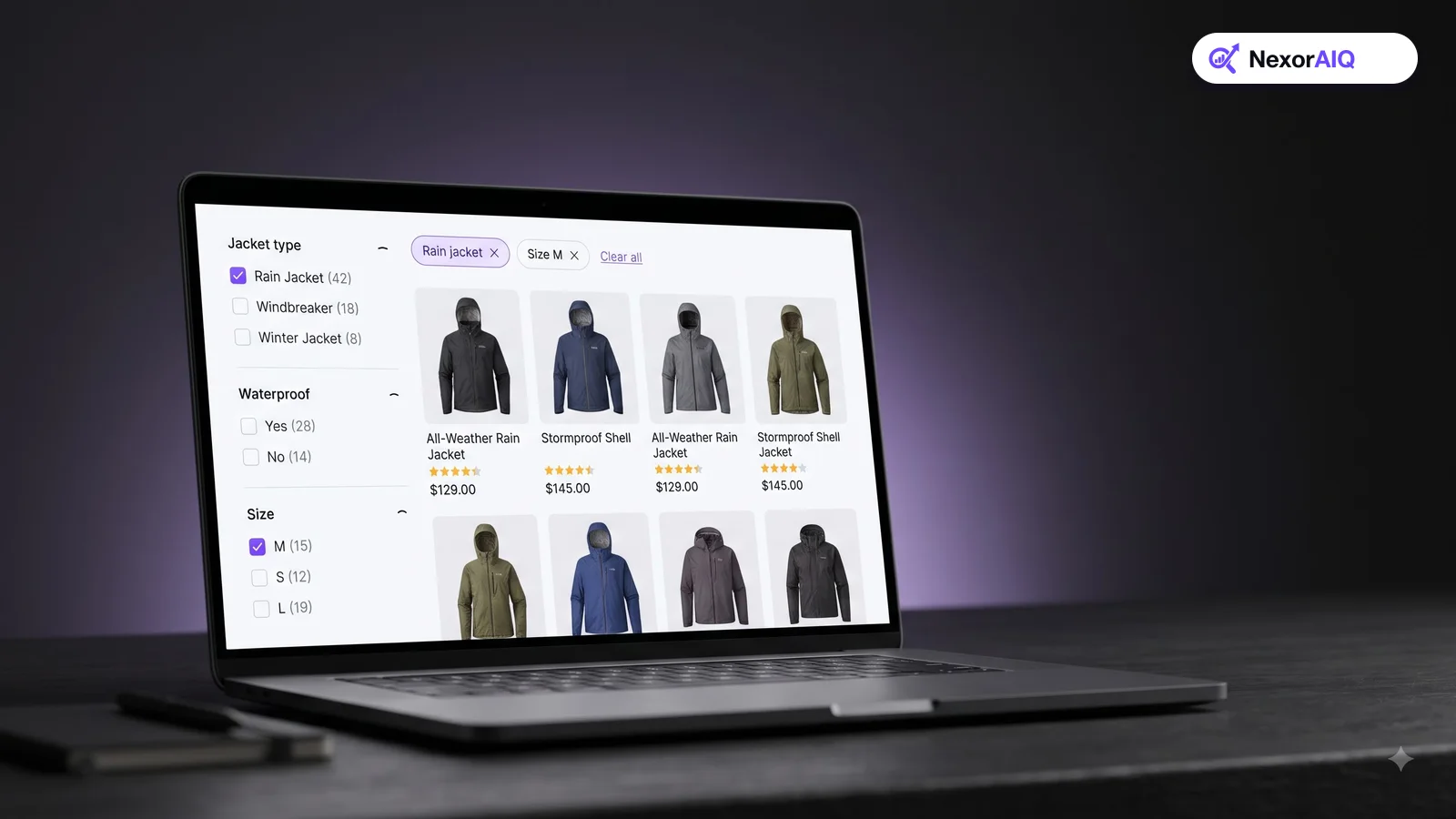
Extracted tags are mapped to clean, uniform categories and instantly populate dynamic search filters and search relevance.
Scale Catalog Depth Without Hiring Data Entry Teams
Enrich thousands of raw SKUs per hour with high-converting tags, filters, and standardized taxonomy.
Visual Color & Pattern Detection
Detects exact shades (e.g. 'sage green', 'burgundy') directly from product photography even if not written in copy.
Fabric & Material Extraction
Extracts composition percentages (e.g. '98% Cotton, 2% Elastane') into structured filterable attributes.
Unit Normalization
Standardizes inches to centimeters, ounces to grams, and resolves confusing sizing notations automatically.
Occasion & Style Tagging
Applies high-intent lifestyle tags like 'Cocktail Party', 'Black Tie', 'Minimalist', or 'Summer Resort'.
Zero Storefront Downtime
Enrichment runs securely in the cloud search index; your live commerce store remains fast and completely untouched.
Confidence Scores & Merchant Review
Review high-confidence tags automatically while flagging edge cases for merchant review in the dashboard.
Real-World Catalog Enrichment in Action
See how marketplaces and high-SKU retailers eliminate empty facet filters.
Multi-Vendor Marketplaces
Standardize messy third-party vendor listings into clean, uniform faceted navigation filters.
Fashion & Footwear
Extract heel heights, toe shapes, closure types, and lining materials across thousands of footwear SKUs.
Home Improvement
Extract pipe diameters, thread types, finish coatings, and compatibility ratings from product spec sheets.
Specialty Grocery
Tag dietary requirements: Gluten-Free, Non-GMO, Vegan, Keto, Kosher, and Halal with 100% compliance tracking.


Frequently Asked Questions
Everything you need to know about Catalog Enrichment and how it drives e-commerce revenue.
It reads product titles, descriptions, specs and images and generates structured attributes such as color, material and fabric composition, and occasion or style tags, which then become search filters.